
NORTHWEST/TOP SIDE BIRDING TRAIL
About The Area
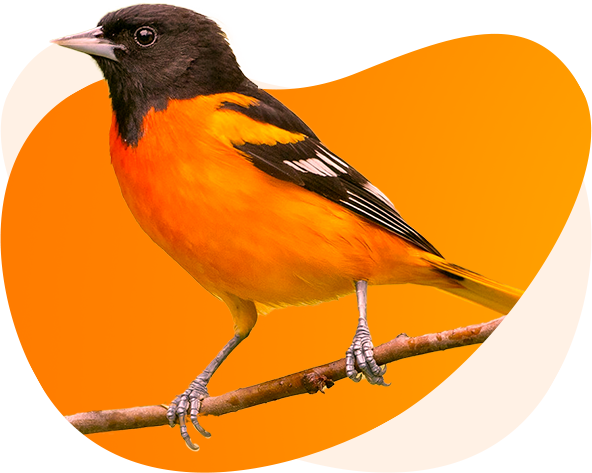
This County Park has the 10.7-acre Smoky Gardens Community Lake and together the lake and surrounding park land create a refreshing oasis for both birds and birders. Birders can take advantage of trails or merely walk through the camping area and along the perimeter road. A marshy area below the dam sometimes holds a Swamp Sparrow or Marsh Wren. During summer, Orchard, Baltimore and Bullock’s Orioles, and hybrids of the latter two can be found here. Red-headed Woodpeckers, Northern Flickers and both Eastern and Western kingbirds add color to a summer visit. Birders never know what they will find here during migration. An excellent assortment of waterfowl has been seen here as well as migrant flycatchers, sparrows, and warblers ranging from Ovenbirds from the east to McGillivray’s from the west.
NORTHWEST/TOP SIDE BIRDING TRAIL
About The Area
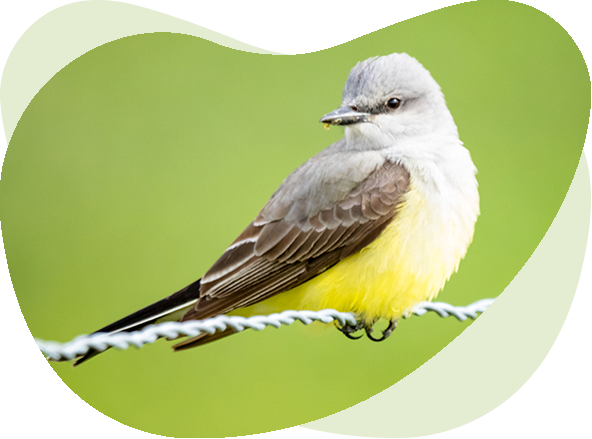
Built in the 1930s for fishing, this lake is 210 acres when full. The lake has difficulty holding water and so is usually dry. It is managed by now as a general wildlife area supporting gamebirds such as Wild Turkey, Ring-necked Pheasant and Mourning Doves. Two small pits along the property’s northern edge sometimes attract Blue-winged Teal, Wood Duck and Belted Kingfishers and Marsh Wrens, although these birds can be more readily found at the nearby Smoky Gardens Community Lake. The wooded area below the dam is home to orioles, Great Crested Flycatchers, Warbling Vireos, House Wrens, all the expected woodpeckers and often Red-tailed Hawks. Otherwise, birds typical of open areas such as Lark Sparrows, Blue Grosbeak, Western Meadowlarks, and kingbirds characterize this site. On rare occasions when water was present, four species of geese and up to 15 species of ducks have been reported.
NORTHWEST/TOP SIDE BIRDING TRAIL
About The Area
The Republican River Walk is a scenic one-mile trail along the river corridor. This trail leads birders through the open cottonwood woodlands characteristic of riparian areas in western Kansas. At various points birders also will encounter cattle and horses grazing in pastures and a foot path that links the trail to Keller Pond. Keller Pond and the surrounding land has been developed by landowner Tom Keller who has leased the land perpetually to the City of St. Francis. The pond has a walking trail around it with rest stops and benches. The ponds provide habitat for dabbling ducks during migration. Along the trail, Red-tail Hawks and Cooper’s Hawks can be found year-round. Yellow Warblers and Common Yellowthroats are summer residents and during migration they are joined by other warblers. During fall and winter be especially on the lookout for Winter Wrens and their close relative, the Pacific Wren. Both species have been found at the nearby St. Francis Country Club. The best way to tell them apart is to familiarize yourself with the calls of both species.
NORTHWEST/TOP SIDE BIRDING TRAIL
About The Area
Atwood Lake is a 28-acre body of water on the north edge of Atwood, KS. Sidewalks, roads, and campground areas make moving around the lake quite easy. Hayden Wildlife Nature Trail is located at the intersections of Highways 36 and 25 on the far west end of the area. Birders will enjoy walking this winding three-quarter mile trail with its benches and interpretative signs. Although birding along this trail can be pleasant, especially in migration, it is the lake itself that produces the most birds. A large resident flock of Canada Geese is joined by Cackling, Snow and White-fronted Geese in fall and winter. A good variety of ducks including diving ducks such as Common Goldeneye, Bufflehead, and Lesser Scaup spend time here. Ruddy Ducks, all three species of mergansers as well as all Pied-billed, Eared, and Western Grebes are seen regularly. Other birds associated with lake habitat such as Ospreys, Double-crested Cormorants, terns, and gulls can be seen using this lake as a feeding and resting stopover during migration.
NORTHWEST/TOP SIDE BIRDING TRAIL
About The Area
Sappa Park trails have a variety of lengths and terrains for birders to choose from ranging from less than a half mile to almost 2 miles in length. The City of Oberlin manages this park which offers campsites, a shelter house, a playground, and other amenities that a birding family or group might want to use. During summer both Baltimore and Bullock’s Orioles can be found here. Watch for the odd-looking hybrids. This is truly a migration hotspot. Sixteen species of sparrows have been seen here, including five Spizella species with Chipping, Clay-colored, and America Tree Sparrow especially common in the right season. Likewise, birders have found a good variety of migrating warblers here including Magnolia, American Redstart, and most noteworthy, a Black-throated Gray Warbler.
NORTHWEST/TOP SIDE BIRDING TRAIL
About The Area
The 1,150-acre Prairie Dog State Park has the 1.4-mile-long Steve Mathes Nature Trail which winds in and out of trees and High Plains shortgrass prairie. Birding along this trail will provide a nice sampling of the songbirds of Northwest Kansas. Birds such as Warbling and Bell’s Vireos, both expected species of kingbirds, Western Meadowlarks, and the handsome Lark Sparrow can be found along the trail. This trail offers a leisurely walk for most people. It has interpretive signs, and young birders will enjoy the seasonal storybook signs along the trail.
Originally no prairie dogs lived in Prairie Dog State Park. The park was named after the creek which flows into the reservoir. However, a dog town with about 300 prairie dogs now delights visitors who come expecting to see these entertaining and energetic critters. Birders will be excited to see that Burrowing Owls also call the dog town home. During the summer months look for them standing beside or atop their burrow or gliding low across the town. They look very much like prairie dogs so you must look carefully at each upright creature!
The lake has 2,300 surface acres and thirty-two miles of shoreline. Birders can scan the water from many points in the park, including both the Cottonwood and Meadowlark Shoreline Camping Areas, as well as the boat ramps, docks, and other amenities around Leota Cove. Beyond the park boundaries, birders also can view the lake from the dam. Waterfowl birding is excellent particularly in spring migration when it is not complicated by the surrounding hunting activity. All the ducks and geese found regularly in Kansas can be found here and sometimes in huge numbers.
Birders also might enjoy seeing a one room schoolhouse built in 1887 (just south of the park office) and the last remaining adobe house in Kansas (north of Prairie Dog Campground) build in 1892.
NORTHWEST/TOP SIDE BIRDING TRAIL
About The Area
At least 130 species have been reported from this Rest Area. This high number is because from this location birders can observe waterfowl, shorebird, and songbird habitats. Songbirds are most vocal and conspicuous in spring and summer. Waterfowl viewing is best during late winter and spring. Most shorebird records from here and from the entire shoreline of the lake have come in May. After crossing the creek there is a road on the left which enters the Wildlife Area. This road winds along the south side of the lake with spur roads providing access to lake views at various points. Birders can also access this area from the east by continuing south of the dam on Lower Dam Rd (Rd w-2) and take the first right. This will lead to the spillway area and by heading west the winding road has short roads leading right (north) to the lake. Eventually the road will intersect Schoen’s Cove Rd which will lead north to the Schoen’s Cove, a particularly good spot.
The Norton Wildlife Area and adjacent private lands receive intense hunting pressure because they hold tens of thousands of geese and ducks in fall and winter. In addition to waterfowl, folks also hunt deer, Wild Turkey, Ring-necked Pheasant, and Mourning Dove here. Birders are advised to bird the lake and the surrounding lands from well-marked county roads and watch for signs indicating closed areas.
NORTHWEST/TOP SIDE BIRDING TRAIL
About The Area
Although not particularly a birding destination, it is right alongside US 283 which leads to other more noteworthy birding spots along this trail. This makes it a convenient and picturesque place to stretch your legs and take a few minutes to check out the birds. During migration, an assortment of ducks, American Coots, Double-crested Cormorants, and Pied-billed Grebes are found on the 42-acre lake. The surrounding trees and grass have proven to be a bit of a migrant trap. Migrants such as American Redstart, Tennessee and Nashville Warblers, Vesper and Lincoln’s Sparrows, Swainson’s Thrushes and Least Flycatchers have been found here. There is always the chance something exciting will show up at these High Plains oasis.
NORTHWEST/TOP SIDE BIRDING TRAIL
About The Area
Antelope Lake was created during the 1930’s as a Works Progress Administration (WPA) project and a variety of impressive native stone structures constructed by WPA crews still surround the lake. A road encircles the entire 80-acre lake providing excellent views for scanning for waterbirds and shorebirds. Sixteen species of shorebirds have been seen here during April and May. Black and Forster’s Terns are often seen during migration, along with Eared, Horned, Western, and Pied-billed Grebes. All of Kansas’s regularly occurring ducks and geese have been seen here as well. Both Black-headed and Rose-breasted Grosbeaks have been seen here during May, and spring has also produced a surprising number of Yellow-headed Blackbird records. A spring visit here will definitely — Color Your World!
NORTHWEST/TOP SIDE BIRDING TRAIL
About The Area
The Sheridan State Fishing Lake property spans 316 acres. The 50-acre lake is currently drained for restoration and repairs. The surrounding wildlife area provides woodland and native grass habitat. The lake had a history of attracting a wide variety of ducks, geese, herons and shorebirds. When it is refilled, this will likely be the case again. In the meantime, birding in the surrounding area can be rewarding. Rock Wrens are occasionally found on the rocky outcrops, and 17 species of sparrows have been reported from the site’s grasslands. The thickets are home to Northern Mockingbird, Brown Thrashers, and Gray Catbirds. Northern Harriers are often seen hunting over these same grasslands during fall and winter. All the expected resident woodpeckers and songbirds can be found in the wooded areas.
NORTHWEST/TOP SIDE BIRDING TRAIL
About The Area
This 23-acre nature preserve, formerly called Ferguson Nature Study Area, was maintained for many years by Jack Kriss. Trails ranging from less than a half mile to almost two miles provide good birding opportunities. At least 135 species have been reported from this relatively small preserve. Cooper’s, Red-tailed, and Swainson’s Hawks are often seen here. During summer listen to Bell’s Vireos singing their scratchy song from the thickets, and look overhead for gracefully soaring Mississippi Kites, frantically flying Chimney Swifts, and the relaxed fluttering and swooping Purple Martins. During winter watch for Townsends’ Solitaires, often perched high in a tree. This area can be very productive for wildlife watching during the right seasons.